
At its core, climate change is an energy problem. Around 75% of global greenhouse gas emissions come from energy-related activities, yet fossil fuels still supply 80% of the world’s energy, and global consumption grows 1–2% annually. This dependency is unsustainable – but solutions are within reach.
Renewable energy offers the only scalable path to meet rising global demand while cutting emissions and ensuring long-term energy security.
Completing the Clean energy equation. Wave power delivers stable, 24/7 electricity that fills the gaps left by wind and solar – adding balance, reliability, and efficiency to renewable energy systems.
With low visual impact, relatively nearshore deployment, and modular rollout through local ports and supply chains, wave energy complements other weather dependent renewables and accelerates the path to net-zero. Wave energy doesn’t compete. It completes the clean energy equation.
Wave power smooths renewable supply, reduces the need for overbuild, and lowers the total cost of electricity.
Modular clusters and mobile production enable rapid deployment through regional supply chains and local ports.
CorPower Ocean’s in-house energy system modelling follows a systematic three phase approach, illustrated through a case study in northern Scotland:
The first phase involves gathering high-resolution input data, including hourly renewable generation profiles, grid electricity prices, and cost assumptions for both renewable technologies and battery storage. Northern Scotland offers a strong wave energy resource, which complements wind and solar by generating power at different times.
In the second phase, the data is fed into a cost optimisation model built using open-source Python for Power System Analysis (PyPSA) software. The model simulates a 24/7 clean electricity supply, ensuring demand is met every hour of the year at the lowest possible system cost. In the case study, the optimal mix included wind, wave, solar, and battery storage working together to deliver reliable, least-cost clean energy.
The final phase involves detailed analysis of multiple scenarios, both with and without wave energy, and across projected cost profiles for 2032, 2040, and 2050. In northern Scotland, wave energy was found to contribute between 9% and 22% of total electricity supply while reducing total system costs by up to 20%, thanks to its ability to complement wind and solar and reduce the need for overcapacity and storage.
Read more about this case study in our recent blog: Lowest cost 24/7 Clean Energy
Wave energy brings consistent output to a variable grid. It produces electricity when solar and wind dip – at night, in winter, or during calm weather. That natural complement reduces the need for excess capacity in generation, transmission, and storage, thereby lowering the total cost of clean electricity for consumers.
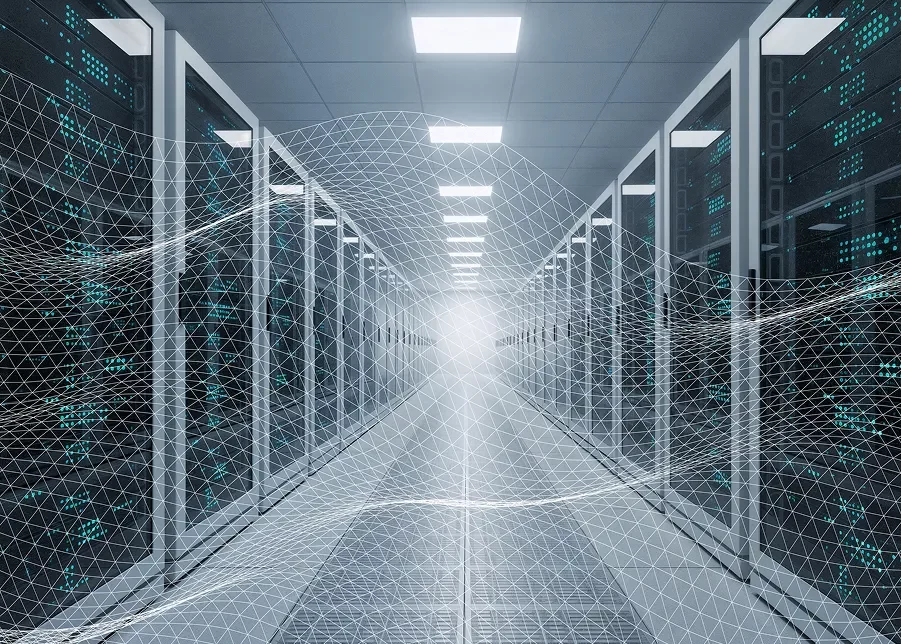
With fewer fluctuations to manage, operators deliver cleaner electricity more efficiently and at lower cost. Wave energy complements intermittent sources, enabling clean, firm, reliable electricity without over-reliance on storage or dispatchable generation.
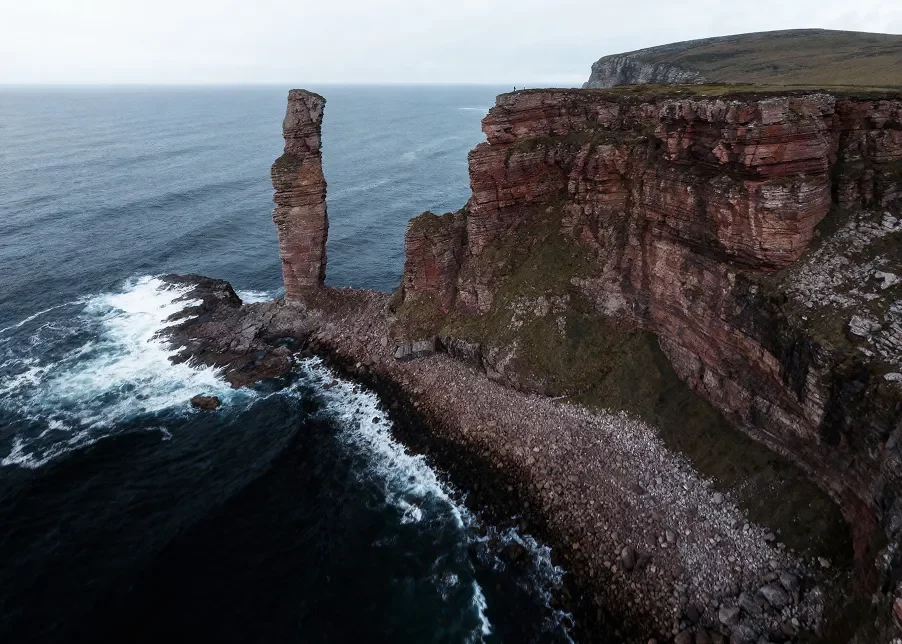
Wave energy transforms a nation’s coastline into a strategic power asset. By tapping a resource that rarely rests, countries cut dependence on imported fuels and generate home-grown electricity from the sea.
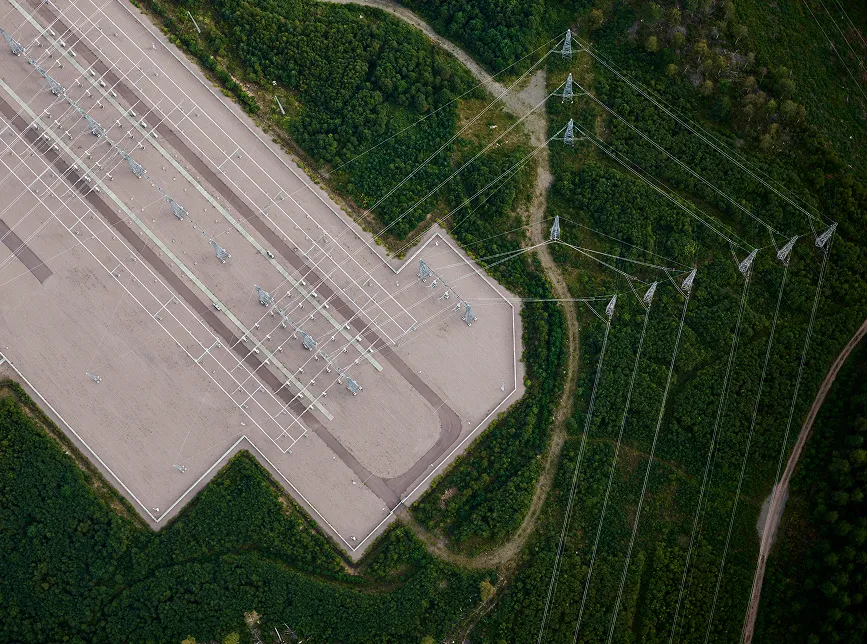
Built as distributed, modular wave farms – clusters of many reliable units – this architecture strengthens the grid with built-in resilience, easy scaling, and rapid recovery from disruptions. The result is a more robust, reliable energy system that keeps the lights on when it matters most. For governments, wave power is a triple-win: it advances climate goals, catalyses industrial growth, and strengthens energy resilience. Secure – and sovereign.
Wave energy scales like solar – fast, modular, and adaptable. Small 10-30MW clusters grow into full-scale wave farms. Deployment leverages existing ports, vessels, and supply chains. This distributed model reduces permitting complexity and capital risk while delivering energy where it is needed.
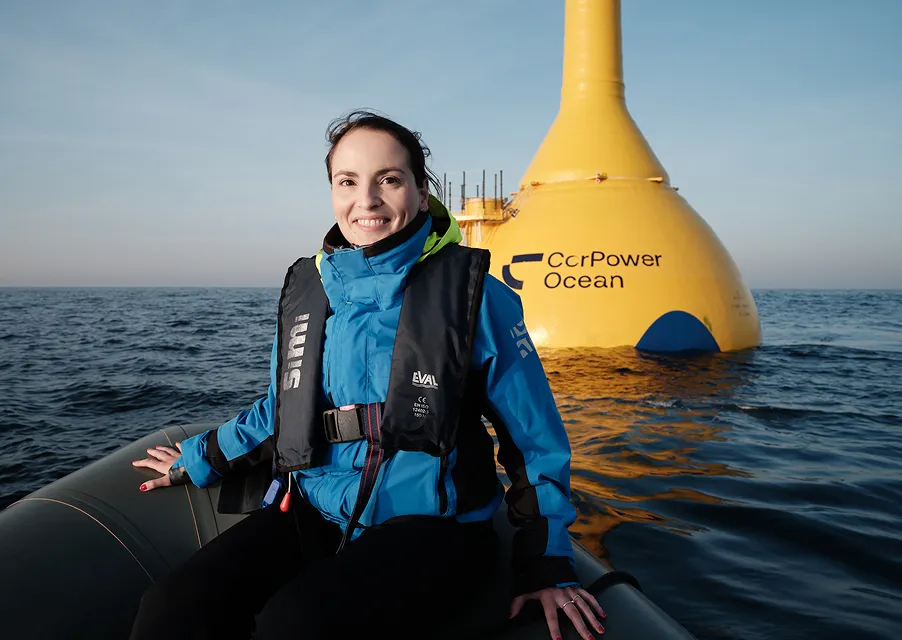
CorPower Ocean’s mobile factory model accelerates rollout. On-site, automated production of buoy hulls reduces emissions, shipping costs, and time to deployment. Each wave farm creates long-term jobs and keeps investment within the community. Wave energy is built to grow – and to bring economic value with every step.
Wave energy supports not just clean electricity, but local value creation. Each project involves local communities in construction, operation, and maintenance. Wave farms create skilled jobs that last well beyond the installation phase. Local production and long-term operations bring career opportunities, workforce development, and durable economic impact.
By working with coastal ports and supply chains, CorPower Ocean turns wave farms into regional growth engines. The result is a renewable energy solution that powers up employment, industry, and economies, as much as it powers the grid.
Wave energy brings balance to the energy transition. It complements solar and wind, supports grid stability, lowers system costs, and powers industrial growth. With tested technology, proven performance, and fast deployment models, CorPower Ocean is building the next chapter of clean electricity – resilient, affordable, and 100% renewable.
Wave energy is already in motion. Now is the time to build with it.

