
Chapter 1
A challenge of a lifetime.

Climate crisis and the urgent need for renewable energy solutions.
The climate crisis is one of the most critical problems facing humanity today. As global temperatures continue to rise, the effects of climate change are becoming increasingly evident through more frequent and severe weather events, rising sea levels, and the loss of biodiversity. The world must undergo a rapid and comprehensive energy transition, shifting from dependence on fossil fuels to a more sustainable, low-carbon energy system.

The Paris agreement and the 1.5°C target.
In 2015, world leaders signed the Paris Agreement, a landmark international consensus aimed at limiting global warming to well below two °C above pre-industrial levels, with a more ambitious goal of limiting the temperature increase to 1.5°C. Achieving this target requires a massive reduction in greenhouse gas emissions, primarily through decarbonising the global energy system.
Fossil fuels such as coal, oil, and natural gas account for approximately 80% of the world’s energy supply. When burned, these energy sources emit significant amounts of carbon dioxide (CO2) and other greenhouse gases, contributing to climate change. To meet the Paris Agreement’s goals, we must rapidly transition to renewable energy sources that generate little or no greenhouse gas emissions.
The growing demand for energy.
As the global population grows and economies develop, energy demand will increase significantly. Some estimates suggest that global energy consumption could double by 2040/45. This growing demand places additional pressure on our energy systems, making the transition to renewable energy sources even more critical.
To meet this increasing demand while reducing greenhouse gas emissions, we must invest in diverse renewable energy technologies, including solar, wind, hydroelectric, and wave energy. Each technology offers its unique advantages suitable under different circumstances and with an attuned mix, a more stable, sustainable and low-carbon system can be achieved.
The role of wave energy in the energy transition.
Wave energy, which harnesses the power of ocean waves to generate electricity, is a promising renewable energy source yet to be fully exploited. With an estimated global potential of 1.8 terawatts (TW) exploitable wave capacity, 500GW easily exploitable, wave energy could significantly influence the global energy transition. Wave energy has the potential to cover 10-20%1 of the future global electricity demand.
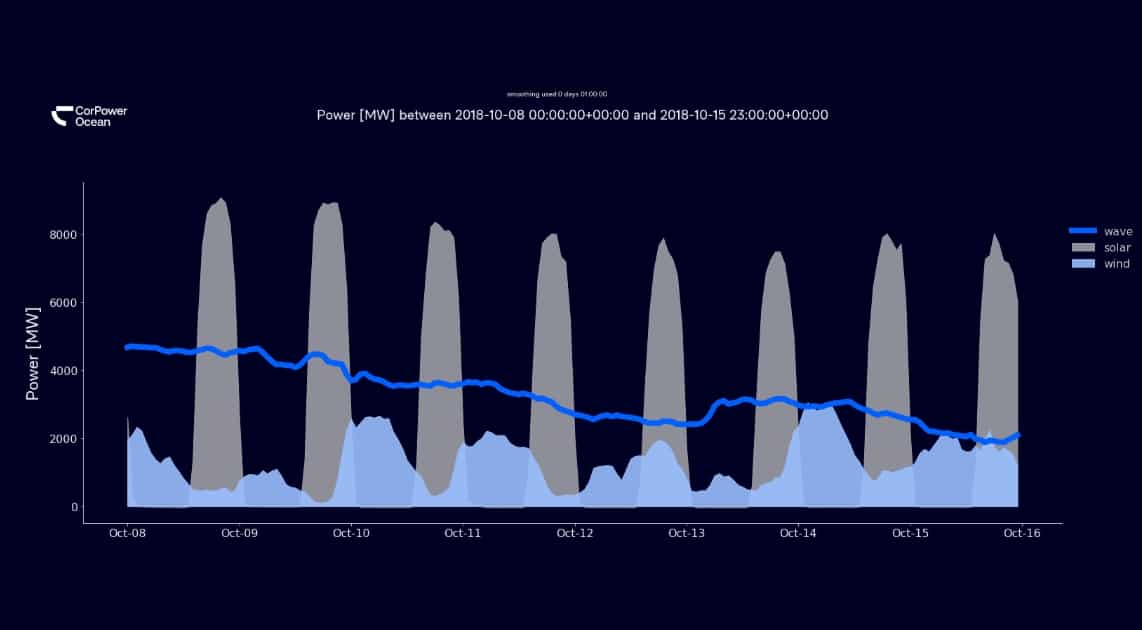
Wave energy offers several advantages in combination with other renewable energy sources. Due to its more consistent and predictable production profile, wave can provide electrons to the grid when wind and solar cannot, making it a valuable addition to the renewable energy mix by reducing volatility and peak capacity in the system. Apart for densely populated coastal regions, wave energy can be a beneficial option for remote locations and islands that rely on expensive Diesel generators for power generation. Despite its potential, wave energy has faced numerous challenges, including storm survivability, poor device efficiency, corrosion etc. Innovative solutions, like those developed by CorPower Ocean, are needed to overcome these challenges, and unlock the full potential of wave energy.

The importance of investment and research.
To accelerate the energy transition and mitigate the impacts of climate change, significant investment in research and development of renewable energy technologies is essential. Governments, private companies, and research institutions must collaborate to drive innovation and bring new, sustainable energy solutions to the market.
The transition to a low-carbon energy system is a monumental challenge, but it is one that we must undertake to ensure a sustainable future for our planet. Investing in renewable technologies like wave energy and embracing the energy transition can combat the climate crisis and create a cleaner, greener world for future generations.
Chapter 2
Introduction to wave energy.
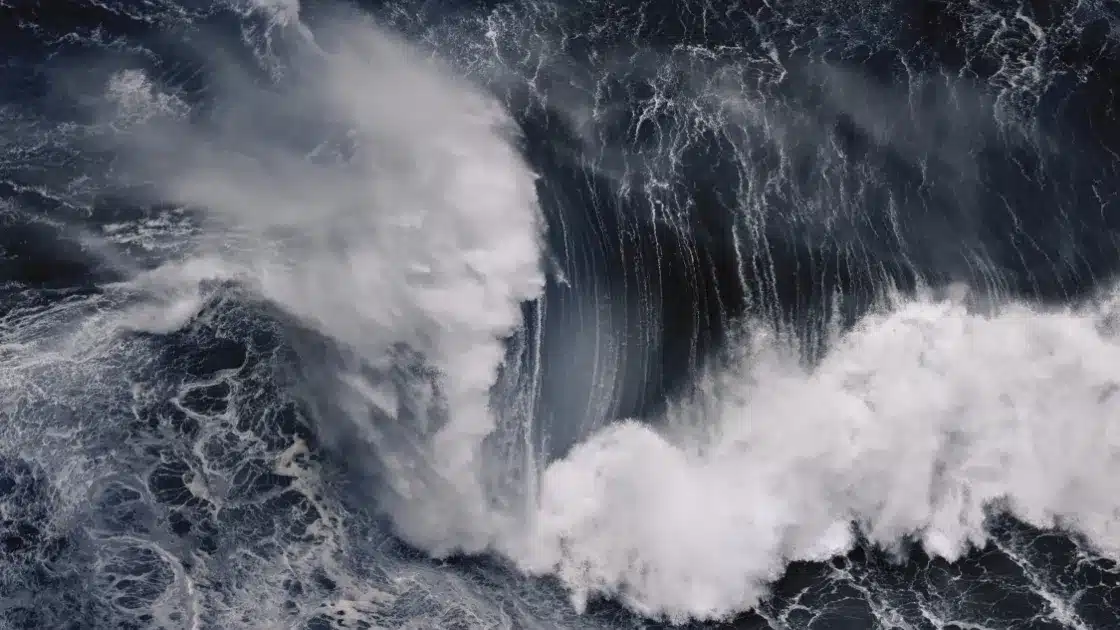
A short history of wave energy.
What is wave energy?
Wave energy – is generated by the movement of ocean waves created by the wind blowing across the water’s surface. As the wind imparts its energy to the water, it creates waves that propagate over long distances across the ocean. Wave energy converters (WECs) capture this energy, converting the motion of the waves into electricity.
There are several wave energy technologies, each with a unique design and approach to capturing wave energy. These technologies include point-absorbers, oscillating water columns (OWCs), attenuators, overtopping devices, and Salter’s ducks.
Global wave energy potential.
As the global population grows and economies develop, energy demand will increase significantly. Some estimates suggest that global energy consumption could double by 2040/45. This growing demand places additional pressure on our energy systems, making the transition to renewable energy sources even more critical.
To meet this increasing demand while reducing greenhouse gas emissions, we must invest in diverse renewable energy technologies, including solar, wind, hydroelectric, and wave energy. Each technology offers its unique advantages suitable under different circumstances and with an attuned mix, a more stable, sustainable and low-carbon system can be achieved.
The importance of wave energy.
As the world seeks to reduce its reliance on fossil fuels and transition to renewable energy sources, wave energy offers several advantages. It is a clean and abundant energy source with minimal greenhouse gas emissions and sizeable global potential. Additionally, wave energy can help diversify the renewable energy mix, complementing other sources like solar and wind power.
Wave energy also has the potential to support remote communities and island nations that have limited access to other renewable energy sources. By harnessing wave energy, these communities can reduce their reliance on imported fossil fuels and develop more sustainable, self-sufficient energy systems.
Chapter 3
Unleashing wave energy’s potential: evolution and overcoming challenges.

Unleashing wave energy’s potential: evolution and overcoming challenges.
The concept of harnessing wave energy dates to the late 19th century, with early patents filed for wave-powered devices. However, it was not until the 1970s, during the oil crisis, that interest in wave energy research and development began to grow.
Over the past few decades, numerous wave energy projects have been launched, with varying degrees of success. While some projects have faced challenges such as storm damage, corrosion, and marine life impacts, others have demonstrated the potential of wave energy as a viable renewable energy source. Today, companies like CorPower Ocean are developing innovative solutions to overcome these challenges and unlock the full potential of wave energy.
A comprehensive history of wave energy: milestones and developments.
Late 20th century: early concepts and patents.

The 1970s: the oil crisis and renewed interest in wave energy.
The energy shock triggered by the oil crisis of the early 1970s catalysed a global search for alternative energy sources and sparked renewed interest in harnessing the power of ocean waves. With oil prices soaring and energy security suddenly at the forefront of national policy, governments and research institutions in the United Kingdom, Norway, Japan and beyond began investing in wave energy research and development as part of a broader strategy to reduce dependence on fossil fuels and diversify energy portfolios.
Among the most iconic innovations of this period was Salter’s Duck, conceived by Scottish engineer Stephen Salter at the University of Edinburgh. Designed as a series of jointed, floating bodies that bobbed with incoming waves, Salter’s device demonstrated that wave energy converters could, in principle, achieve high energy capture by exploiting resonant motion – effectively turning the problem of wave complexity into a source of mechanical leverage. Although the programme was ultimately discontinued and no large-scale deployment followed at the time, the Duck proved instrumental in stimulating research and demonstrating the promise of wave energy technology.
At the Norwegian University of Science and Technology (NTNU) in Trondheim, Professor Johannes Falnes and his colleagues were laying another cornerstone of modern wave energy science. Their work advanced the theoretical foundations of hydrodynamics and energy extraction, including the concept of the point absorber and the so-called antenna effect, which showed that a well-tuned floating system could absorb significantly more wave power than its physical cross-section might suggest.
Implicit in much of Falnes’ research is a critical engineering principle that continues to shape efficient wave energy design: to maximise energy conversion, as much of the installed mass, material, and displaced volume as possible must actively participate in the oscillatory motion that interacts with the waves. Structures or components that do not contribute to this dynamic motion add little to energy capture and instead act as parasitic mass, increasing cost and reducing performance. This idea has guided subsequent generations of point-absorber designs and remains a touchstone in efforts to improve the power-to-mass and swept-volume efficiency of wave energy converters.
Together, these early efforts – from laboratory innovation to analytical insight – established both the promise and the technical challenges of wave energy. They laid a foundation of knowledge that would inform later research through the 1980s and 1990s, and that continues to influence contemporary design strategies aimed at overcoming the harsh realities of the marine environment and making wave energy a commercially viable contributor to a sustainable energy future.
The 1980s and 1990s: early wave energy projects and research.
Throughout the 1980s and 1990s, various wave energy projects were launched worldwide, with varying degrees of success. Some of the most notable projects included the Kaimei project in Japan, the Clam project in the United Kingdom, and the Ocean Power Delivery project in Portugal. These early projects helped to advance wave energy technology and provided valuable insights into the challenges and opportunities associated with harnessing wave power. However, many projects faced difficulties, such as high costs, technical challenges, and environmental concerns, which limited their success.
During this period, researchers also explored the potential of oscillating water column (OWC) technology. OWC devices use the motion of waves to compress and decompress air in a chamber, driving an air turbine to generate electricity. In 1991, the world’s first grid-connected OWC wave energy project, the LIMPET (Land Installed Marine Powered Energy Transformer), was installed on the Scottish island of Islay.
The 2000s: advances in technology and industry growth.
The 2000s saw significant advancements in wave energy technology, driven by increased investment and research. Several new wave energy devices were developed and tested during this period, including the Pelamis Wave Energy Converter, the Wave Dragon, and the Aquamarine Oyster. These innovative devices showcased the potential of wave energy and demonstrated improvements in efficiency, durability, and environmental impact.
In addition to technological advancements, the 2000s also saw the growth of the wave energy industry, with numerous companies and organisations dedicated to developing and commercialising wave energy technology. This period saw increased collaboration between industry, academia, and government, helping to drive innovation and progress in the field. Companies like Ocean Power Technologies, Oceanlinx, and Wavegen emerged as leaders in developing wave energy devices, including point absorbers, attenuators, and overtopping devices.
The 2010s to Present: continued innovation and commercialization.
In recent years, wave energy has continued to advance with ongoing research, development, and commercialisation efforts. Companies like CorPower Ocean, founded in 2012, are developing innovative solutions to address the challenges of previous wave energy technologies, such as storm survivability, efficiency and corrosion. CorPower Ocean’s point-absorber wave energy converter (WEC) offers increased efficiency, lower costs, and improved scalability, paving the way for the commercialisation of wave energy.
Wave energy solutions are currently rapidly developing worldwide, and successful demonstrations highlight the potential of this clean and abundant energy source. As the global push for renewable energy intensifies, wave energy is poised to play an increasingly important role in transitioning to a sustainable, low-carbon energy system. With continued innovation and collaboration between industry, academia, and government, the future of wave energy looks bright, promising a cleaner, more sustainable energy future.
Chapter 4
The role of wave energy in the energy mix.
The role of wave energy in the energy mix.
Comparison with other renewable energy sources.
Advantages and disadvantages of wave energy.
Wave energy has several advantages, including a complementary production profile and the possibility of multi-use of the sea. As mentioned earlier, wave energy offers a more consistent and predictable supply than solar and wind power, making it an attractive addition to the renewable energy portfolio. With its high-spatial density, wave energy can coexist with floating offshore wind farms, where wave arrays can be deployed in available space in between floating structures. For optimal efficiency, it is highly recommended to concentrate the wave arrays in a specific area of a project site as close to shore as possible. This approach serves to minimize the costs associated with inter-array cabling and the overall distance traveled for operations and maintenance (O&M) activities.
However, wave energy also has its disadvantages. The technology is still nascent, with high upfront costs and technical challenges. As observed in other renewable energy technologies, like Solar PV and battery storage, about a 1GW installed capacity was needed before these technologies started ramping exponentially thanks to reduced cost benefitting from economies of scale. Additionally, wave energy installations may have environmental impacts if not carefully catered for, such as altering local ecosystems or posing risks to marine life.
Potential applications of wave energy.
Wave energy is uniquely suited to applications where reliability, predictability, and complementarity with other renewables are critical. Unlike solar and wind, ocean waves provide a continuous and forecastable energy resource, making wave power a valuable enabler of 24/7 carbon-free energy systems across multiple sectors.
Grid-scale clean firm power
For coastal regions, wave energy can be deployed at utility scale to complement wind and solar generation. By producing power during periods when wind and solar output is low, wave energy reduces price volatility, curtailment, and reliance on fossil-fuel backup. Studies show that integrating wave energy into the grid can significantly lower the need for overcapacity and long-duration storage while improving overall system stability and cost efficiency.
Data centres and other 24/7 power users
Data centres, driven by AI and digitalisation, require uninterrupted electricity around the clock. Wave energy’s stable production profile makes it particularly well suited to supporting hourly matched carbon-free energy targets. When combined with wind and solar, wave power helps close the real-time supply gaps that otherwise force data centres to rely on fossil-based grid power or costly storage solutions.
Revolutionising 24/7 green power for data centres.
Remote communities and islands
Many islands and remote coastal communities rely heavily on imported diesel for electricity, resulting in high costs, supply risks, and emissions. Wave energy offers a local, predictable, and renewable alternative that can provide baseload-like power. Integrated with limited solar, wind, and storage, wave energy can substantially reduce fuel imports while improving energy security and resilience.
Offshore and maritime operations
Offshore installations such as oil and gas platforms, ports, and future offshore industrial hubs require reliable on-site power. Wave energy can replace or supplement gas and diesel generators, lowering operating costs and emissions while improving energy independence. As offshore electrification accelerates, wave energy offers a scalable solution aligned with decarbonisation goals.
Green hydrogen and energy-intensive industry
The production of green hydrogen through electrolysis depends on access to continuous, low-carbon electricity. Wave energy’s high energy density and steady output make it a strong candidate for supplying hydrogen production, particularly in coastal regions. By reducing intermittency and the need for oversized renewable capacity, wave power can lower the cost of hydrogen for applications such as steelmaking, chemicals, transport fuels, and long-term energy storage.
The key to achieving 100% carbon free energy (CFE).
To achieve 100% CFE, a diverse and balanced mix of renewable energy sources are essential. Following the trend of multinationals to a growing degree aim to hourly match clean electricity supply to demand, underpinning growing clean energy ambitions, studies have shown that wave energy reduces the cost to match demand with firm, stable renewable power when added to the mix with solar, wind and battery storage. Avoided cost can be as high as 20%, depending on the required level of matching and the geography. Over time, the impact on the cost of supplying 24/7 green power is expected to increase as wave cost reductions materialise with deployed capacity. With its unique advantages and complementary production profile, wave energy can play a vital role in this transition. Wave energy can significantly contribute to a sustainable, low-carbon energy system by addressing the technical challenges and reducing costs. Collaboration between industry, academia, government, and continued innovation and investment will be crucial in unlocking wave energy’s full potential and realising a 100% CFE future.

Complementing other renewable energy sources.
Reducing dependence on fossil fuels.
Supporting remote and island communities.
Enhancing energy security and resilience.
Job creation and economic development.
The development and deployment of wave energy technologies have the potential to create new jobs and stimulate economic growth in the renewable energy sector. With the global deployment of wave energy projects, there will be a demand for skilled professionals to design, build, operate, and maintain wave energy devices and infrastructure. It will lead to new job opportunities and foster the expansion of the renewable energy industry.
In a recent third-party techno-economic analysis of a 10 MW CorPower wave farm in Agucadoura (Portugal) with a lifetime of 20 years, University of Edinburgh (UDEIN) found it could generate 2.79 €/MW in Gross Value Add (GVA) and 54.27 job-years supported, strengthening the local supply chain and helping create a new local wave energy industry. Potential job creation is massive when scaling up, with 480 FTEs created in 2030 at 600 MW deployed and 24,000 FTEs in 2050 at 30 GW, as examples.
As such, wave energy can play a pivotal role in the global energy mix by complementing other renewable energy sources, reducing dependence on fossil fuels, supporting remote and island communities, enhancing energy security and resilience, and contributing to job creation and economic development. As wave energy technology advances and costs decrease, wave energy becomes an increasingly important component of the sustainable energy future.
Chapter 5
Types of wave energy solutions.
Types of wave energy solutions.
Point absorbers.
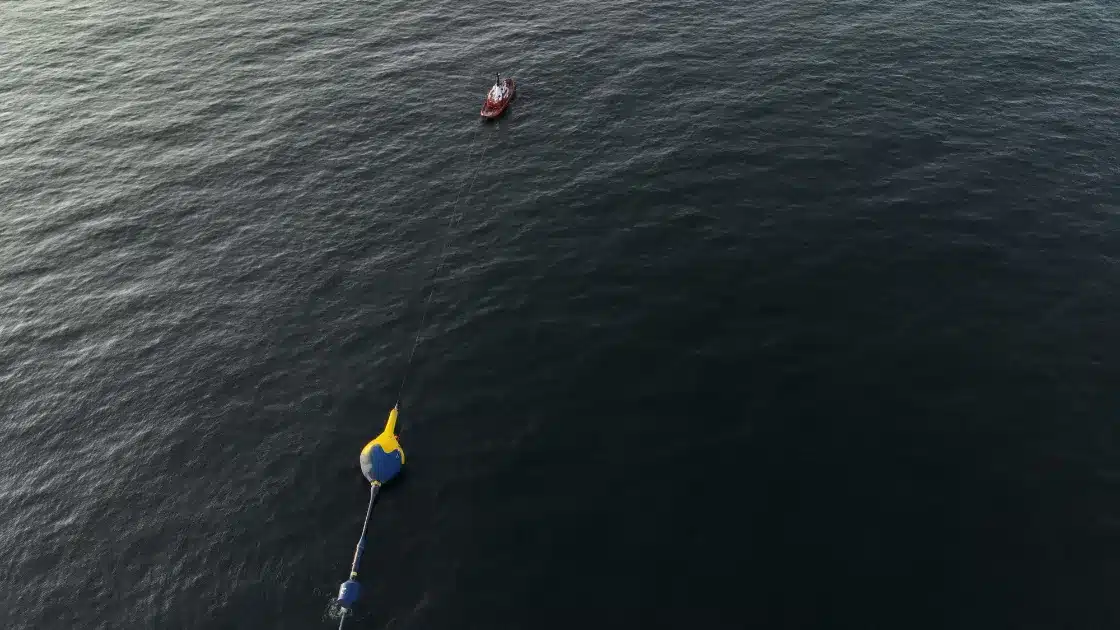
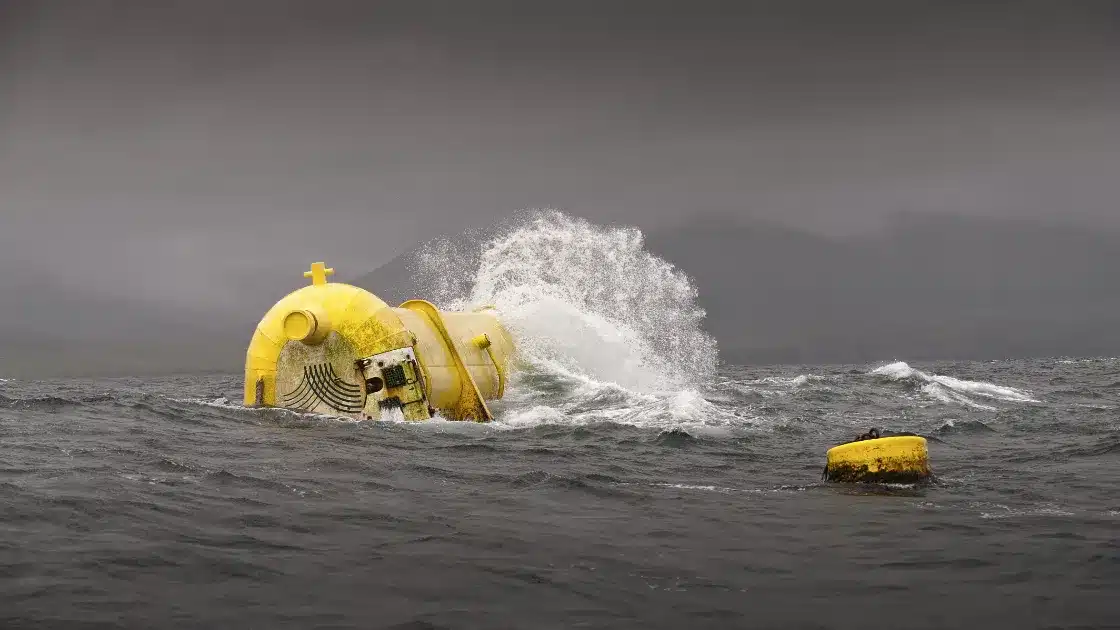
Point absorbers are floating structures that capture wave energy by absorbing the motion of the waves in multiple directions. They typically consist of a buoy or float that moves vertically with the waves, connected to a submerged reaction plate or a fixed structure. The relative motion between the buoy and the submerged component drives a power take-off (PTO) system, which converts the mechanical energy into electricity.
CorPower Ocean’s wave energy converter (WEC) is an example of a point absorber. Their innovative design addresses previous wave energy technologies’ challenges like storm survival, efficiency, corrosion, and marine life impacts. By offering increased efficiency in terms of structural efficiency, i.e. the amount of energy that is produced in relation to the amount of equipment installed in the ocean (MWh/tonne), lower costs, and improved scalability, CorPower Ocean’s point absorber technology has the potential to revolutionise the wave energy industry.
Attenuators.
Oscillating water columns (OWCs).
Overtopping devices.
Submerged pressure differential devices.
Submerged pressure differential devices are installed on the seabed and use the pressure difference between the oscillating wave-induced water column and the static water column to drive a PTO system. One example of this technology is the WaveRoller, which consists of a hinged panel that moves back and forth with the wave-induced pressure changes, driving a hydraulic piston to generate electricity.
In conclusion, there are various wave energy solutions, each with unique advantages and challenges. Currently more than 50% of the planned capacity and 40% of R&D spend is concentrated on point absorber technology. As research and development continue, these technologies will become more efficient, cost-effective, and scalable, contributing to the growth of the wave energy industry and its role in the global energy mix.
Chapter 6
Historical failures and challenges of wave energy.
Historical failures and challenges of wave energy.
Technical challenges.
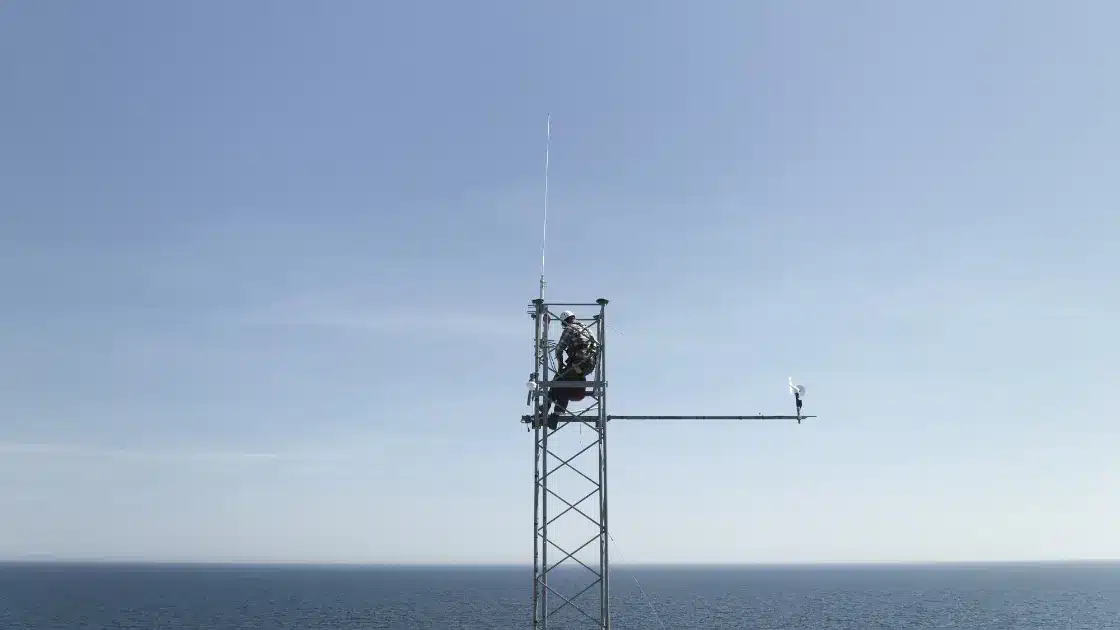
Wave energy devices must operate in harsh and unpredictable ocean environments, making them susceptible to technical challenges related to design, materials, and maintenance. Some of the historical technical challenges faced by wave energy technologies include:
- Survivability: Early wave energy devices often struggled to withstand the extreme forces and conditions of the ocean, leading to structural failures, damage, and loss of functionality.
- Efficiency: Many early wave energy devices could not capture and convert a significant portion of the available wave energy, resulting in low efficiency and limited power output.
- Corrosion and fouling: Exposure to salt water and marine organisms can lead to corrosion and fouling of wave energy devices, reducing their performance and increasing maintenance requirements.
Economic challenges.
Developing and deploying wave energy technologies has historically been a capital-intensive process, with high upfront costs and uncertain returns on investment. Some of the economic challenges faced by the wave energy industry include:
- High costs: The costs associated with the development, construction, and maintenance of wave energy devices have often been prohibitive, making it difficult for the technology to compete with other renewable energy sources and conventional power generation methods.
- Lack of economies of scale: The wave energy industry has struggled to achieve the economies of scale needed to drive down costs and make technology more competitive.
- Limited funding and investment: Due to wave energy’s high risks and uncertainties, the industry has historically struggled to attract sufficient funding and investment to support its growth and development.
Regulatory and environmental challenges.
The deployment of wave energy devices can be subject to complex regulatory processes and potential environmental impacts, which have presented additional challenges for the industry. Some of the regulatory and environmental challenges faced by wave energy developers include:
- Permitting and licensing: Navigating the permitting and licensing processes for wave energy projects can be time-consuming and costly, creating barriers to entry for new technologies and developers.
- Environmental impacts: The potential environmental effects of wave energy devices, such as interference with marine ecosystems and coastal processes, can raise concerns and lead to increased scrutiny and regulation of the industry.
Chapter 7
Overcoming the challenges: The CorPower Ocean approach.
Overcoming the Challenges: The CorPower Ocean approach.
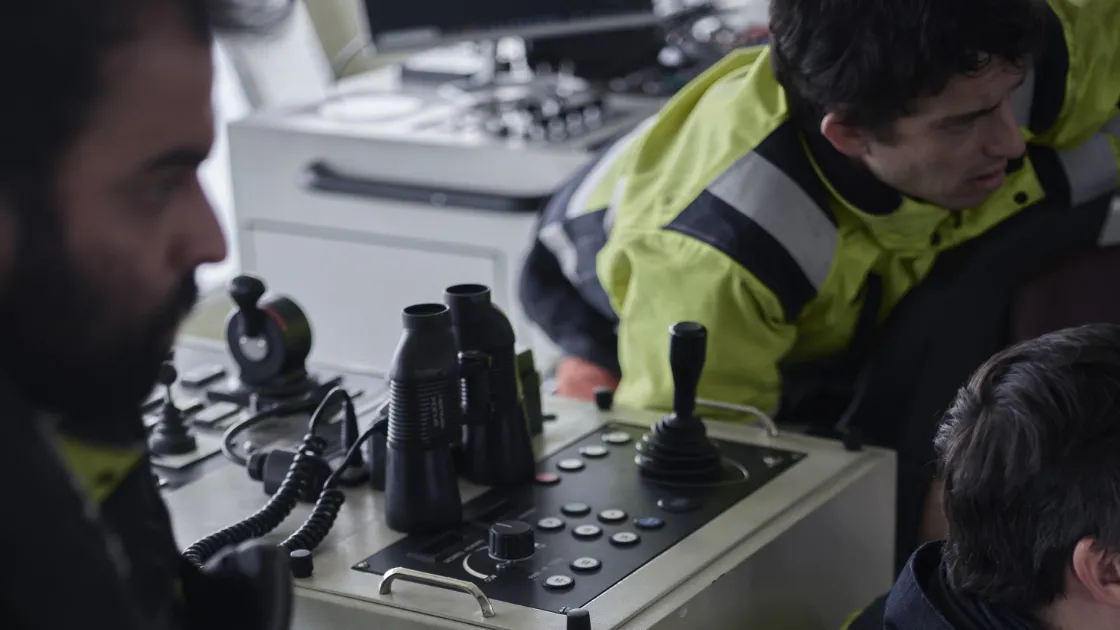
- Structured product validation: it involves stepwise validation of survivability, performance, reliability, affordability, and scalability starting with small scale prototypes in Stage 1 to fully integrated WECs in increasing scales up to an array demonstration in Stage 5. A key part of the strategy is the on-land dry testing in a controlled simulated wave loading to debug and stabilize PTO system prior to ocean deployment. The process includes product certification with global certification expert DNV and independent validation of the device performance by marine research centres EMEC and WavEC.
- Advanced engineering and design: CorPower Ocean’s wave energy converter (WEC) is designed to withstand the harsh ocean environment, with features such as a storm protection mode to ensure survivability during extreme conditions.
- Improved efficiency: CorPower Ocean’s WEC utilises an innovative phase-controlled oscillating body, which allows for increased energy capture and conversion efficiency, resulting in higher power output.
- Reduced costs: By developing scalable, modular wave energy solutions, CorPower Ocean aims to reduce wave energy production costs and make the technology more competitive with other renewable energy sources.
- Environmental stewardship: CorPower Ocean is committed to minimising the environmental impacts of its wave energy devices and works closely with regulators and stakeholders to ensure that its projects adhere to the highest ecological standards.
In conclusion, wave energy’s historical failures and challenges have provided valuable lessons and insights for the industry. By learning from these experiences and adopting innovative approaches, companies like CorPower Ocean are working to overcome the barriers that have hindered the progress of wave energy and unlock its potential as a vital component of the global renewable energy mix.
Chapter 8
CorPower Ocean’s wave energy solution.
CorPower Ocean’s wave energy solution.
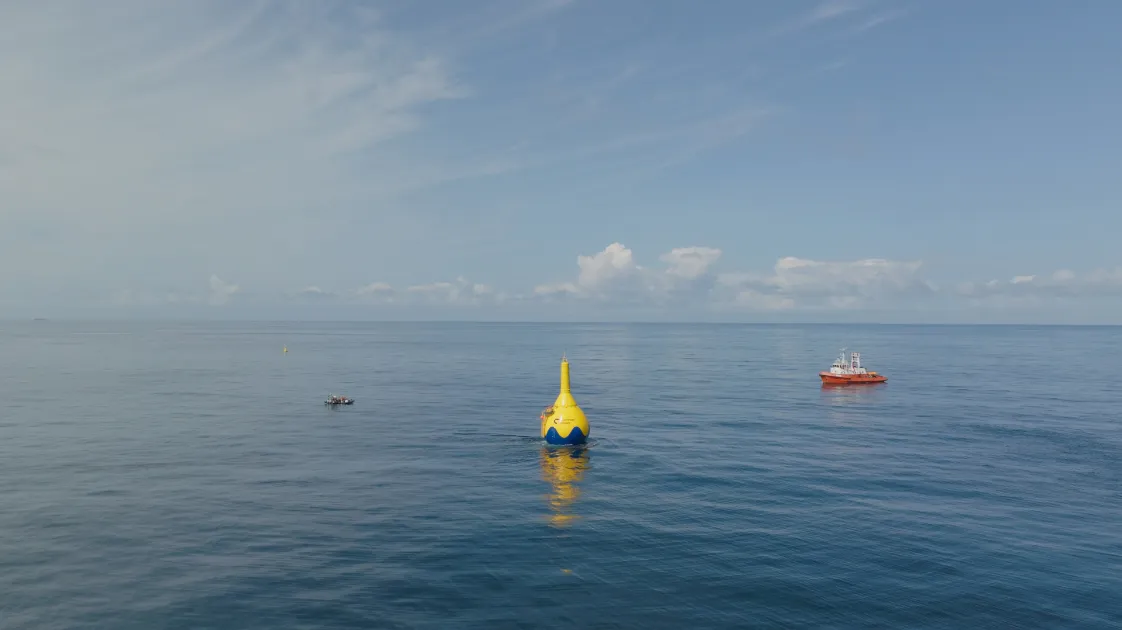
CorPower Ocean is revolutionising the wave energy industry with its innovative and advanced wave energy converter (WEC) technology. The company’s unique approach to harnessing the power of ocean waves has the potential to make wave energy a viable and sustainable source of renewable energy, capable of contributing significantly to the global energy mix. This section will delve deeper into the critical aspects of CorPower Ocean’s wave energy solution and discuss how it is poised to transform the wave energy landscape.
Advanced control algorithms and power take-off (PTO) system.
At the heart of CorPower Ocean’s WEC is a sophisticated control system that uses advanced algorithms to optimise the device’s response to incoming waves. This control system, coupled with a high-performance power take-off (PTO) system, is responsible for converting the mechanical energy generated by the oscillating body into electrical energy. By synchronising the motion of the WEC with the incoming waves, the control system and PTO work together to maximise energy capture and conversion efficiency, resulting in higher power output.
Designers make the PTO system robust and reliable, guaranteeing consistent performance in the harsh and unpredictable ocean environment. The compact and modular design makes maintenance and replacement easy, which reduces downtime and operational costs.
Robust and durable materials.
CorPower Ocean constructs its WEC using high-quality materials selected for their durability and resistance to corrosion and fouling. Utilising these materials contributes to the device’s long-term reliability and performance, reduces maintenance needs, and prolongs its operational lifetime.
The company is also committed to ongoing research and development in materials science, exploring new and innovative materials that can further enhance the performance and durability of its wave energy devices.
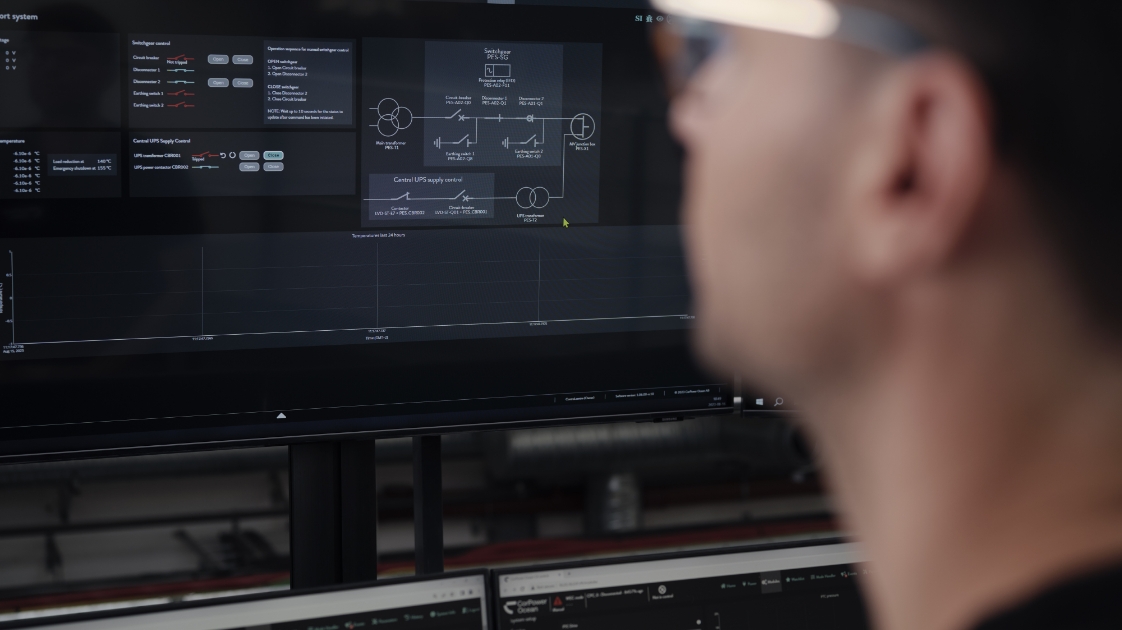
Integrated monitoring and diagnostics.
Deployment and installation strategies.
Collaboration and partnerships.
Recognising the importance of collaboration and partnerships in developing and deploying wave energy technology, CorPower Ocean actively engages with various stakeholders, including research institutions, industry partners, regulatory agencies, and local communities. Collaborating with these stakeholders, the company strives to create a supportive environment for the wave energy industry’s growth and development while ensuring responsible and sustainable project execution.
CorPower Ocean’s wave energy solution represents a significant step forward in wave energy, offering a highly efficient, scalable, and environmentally friendly option for harnessing the power of ocean waves. CorPower Ocean, equipped with innovative technology, robust materials, and a dedication to collaboration and sustainability, stands ready to lead in shaping the wave energy industry’s future and contribute to the global shift towards clean, renewable energy sources.
Chapter 9
CorPower Ocean’s wave energy converter.
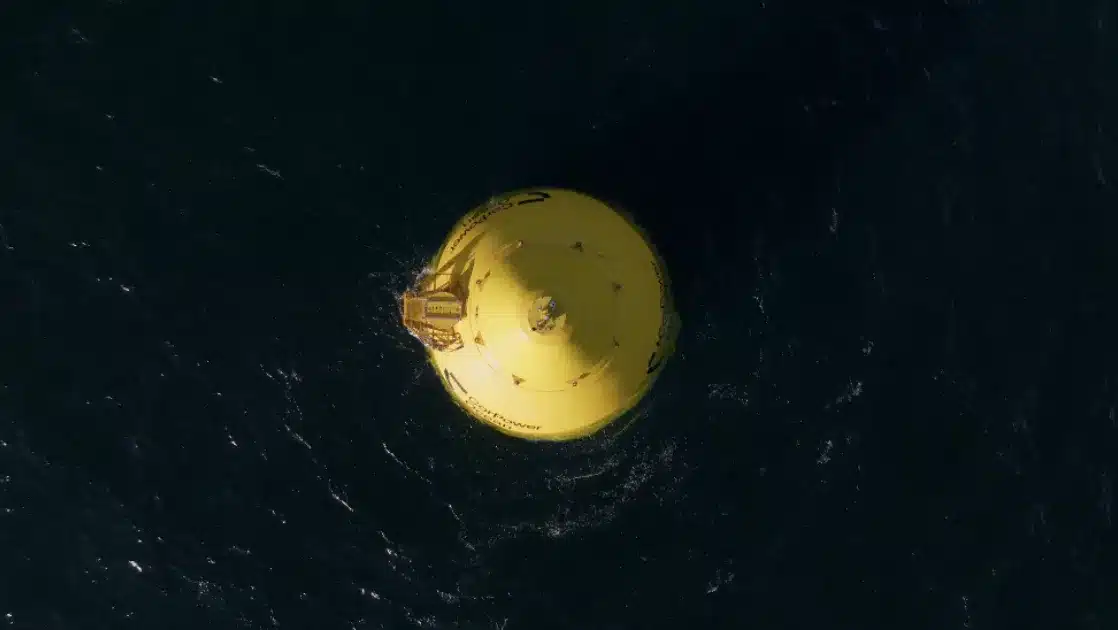
CorPower Ocean’s wave energy converter.
Point absorber WEC.
Advanced phase control technology.
Naturally transparent to protect from storms.
Powerful combination of efficiency and survivability.
This combination allows for a large amount of energy to be harvested using a relatively small and low-cost device, delivering a structural efficiency of 8 MWh/tonne – Such output represents as much as a 5x improvement in structural efficiency over competing state-of-the-art WECs. Compact and lightweight WEC devices are efficient to produce in volumes, install, operate, and maintain in modular multi-device CorPacks using low-cost vessels. This improves uptime, increases availability for a higher annual energy production (AEP) and capacity factor (%), and significantly reduces operational costs (OPEX).
Altogether, this step-change improvement in power delivery per mass maximises the energy output and the survivability of the CorPower WEC with verified metrics underpinning a highly competitive LCOE-curve – Overcoming the main challenges that have precluded wave energy from scaling up historically.
Environmental stewardship.
CorPower Ocean is committed to minimising the environmental impacts of its wave energy devices. It works closely with regulators, stakeholders, and the scientific community to ensure its projects adhere to the highest environmental standards.
CorPower WEC composite hulls for instance can be produced in large numbers locally at customers’ sites with a unique mobile factory concept developed and operated by CorPower, with low cost and minimum GHG emissions from transport and logistics.
Moreover, another environmental concern is related to the effects of marine renewable energy projects on species that risk colliding with submerged structures and alteration of the use of space due to the presence of WECs. Cetaceans that transit in the installation area of the project are acoustically active animals, meaning they can detect the presence of obstacles through echolocation thus the risk of collision is low. Another stress factor also associated with the presence of WECs is noise present throughout a project because of construction activities, the main operation of WECs, and associated maritime traffic. To mention a mitigation action, an environmentally friendly installation method for the UMACK anchor installation has been developed. The low-noise “Vibro-driving” technique reduces noise 15-20 dB compared to impact pile diving, with a vibration frequency of 20-40 Hz to which marine mammals are less sensitive.
Chapter 10
A modular concept for enhanced scalability.
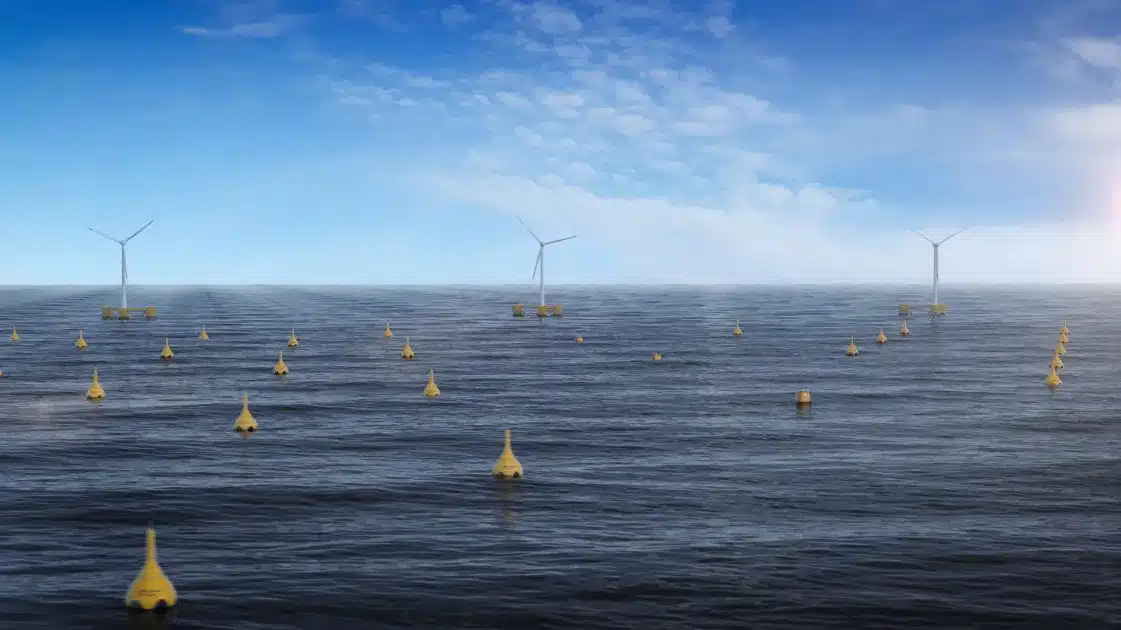
A modular concept for enhanced scalability.
On the topic of device size and cost-reduction potential, Corpower Ocean’s insight is that the use few large building blocks is not necessarily better than many small building block for creating very large systems. Modularity that allows doing one piece over and over again in an industrial mass manufacturing setup that achieves a higher degree of economies of scale, and cycles of learning, can in many examples be found to give a faster cost reduction potential compared to systems based on fewer very large units.
Oxford prof Flyvberg describes this trend well in his recent book ‘How big things get done’ where he has studied industrial ‘super-projects’ in a very systematic manner.
CorPower Ocean’s scalability strategy.
CorPower Ocean’s modular approach to wave farms is based on high density clustering of many small identical units rather than single large machines, as compared to offshore wind. A 10MW CorPack wave cluster for instance is made up of 25 units of 10m diameter installed with 150m spacing provides high power delivery per ocean space despite small individuals units. It can deliver about 15MW/km2, which is 3-5 times more power per ocean space compared to offshore wind. CorPack clusters are used as building blocks that can be laid out side-to-side to form large utility farms of 100s’ of MW to GW scale, either as stand-alone wave farms or as hybrid wind-wave farms that share the electrical infrastructure.
We believe that the size of the current CorPwoer C4 WEC is close to the economically optimal for the absorber. We plan to do minor upscaling on device-level over future generations, taking the WECs from current 300kW rating towards 450-500kW, by improving control and Power-Take Off technology combined with a small increase in diameter from 9 to 10m.
This modular product configuration, similar to EV battery architecture with many small identical cells packed in modules, allows volume manufacturing and economies of scale to help drive down cost faster, compared to few large units per MW. It supports a very competitive cost-curve, and avoids the constant redesign-for-yet-larger-machines that is hurting the profitability of offshore wind OEMs.
The relatively small dimensions also allow local supply chains for fabrication of most subsystems, and CorPower’s unique mobile factory cells enables on-site fabrication of the composite hulls. This mobile factory concept avoids significant cost and CO2-footprint by eliminating transportation of the hulls. As demonstrated in Viana do Castelo, local ports can support the on-land logistics and assembly, with low-cost vessels for Operations and Maintenance. The delivery concept supports rapid roll-out of the technology on a global scale, with high local content generating sustainable jobs and economic development to coastal communities in the regions.
Supply chain.
Thanks to modular approach with smaller unit sizes that are clustered with many identical units in farms:
- Utilizing a high degree of local supply chain, thanks to fabrication being of dimensions and types efficiently supported by local supply chains
- Utilizing local port facilities and local vessels for installations and O&M, revitilising coastal communities along the European Atlantic arc.
- For drive-trains, using gearbox suppliers and electrical drive components from the automotive sector, piggybacking on the volumes developed for electrification of busses, trucks and off-highway vehicle
- For main structures (hulls, blades), sizes are significantly smaller than wind turbine blades, enabling more local supply chains.
- Some developers offering novel ‘mobile factory’ concepts for fabrication of the hulls of wave energy converters. Installing such automated factory cells on customer sites close to the offshore site, manufacturing the hulls needed for a certain project, then moving the mobile factory cells to the next customer site. By this eliminating significant cost and CO2-footprint by avoiding transportation of the main structures.
- Many standard components such as cooling, lubrication, air conditioning, control and communication shared with the wind sector.
- Proprietary component and sub-system fabrication can be scaled in collaboration with contracted assembly partners, as the types and dimensions of subsystems are common with many industrial applications.
Fabrication.
Gearboxes.
Generators and inverters.
Foundations.
Chapter 11
CorPower Ocean’s five key innovations in wave energy technology.
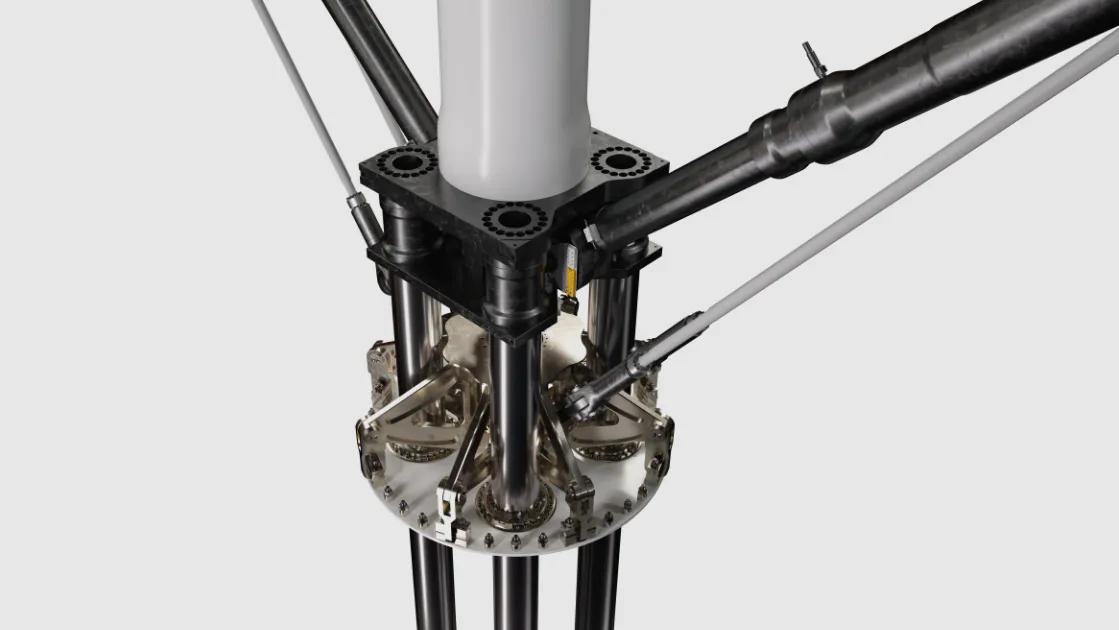
CorPower Ocean’s five key innovations in wave energy technology.
WaveSpring technology.
Cascade gearbox.
Pre-tension cylinder.
Composite buoy.
UMACK anchor.
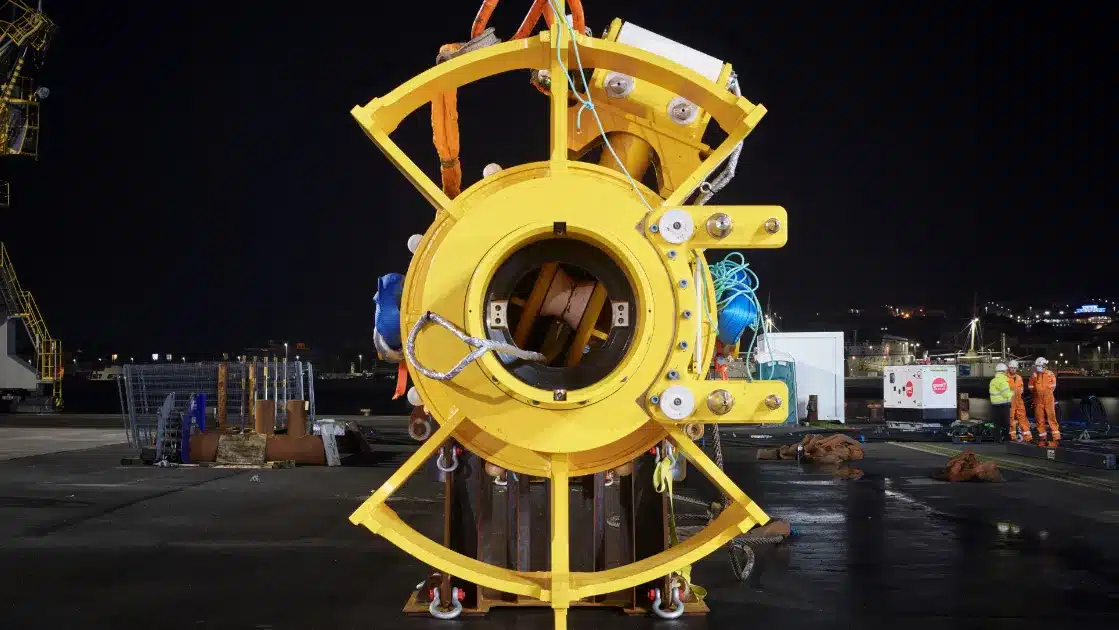
UMACK anchors, developed by CorPower Ocean, represent a significant improvement over traditional gravity anchors and monopiles regarding holding capacity, cost, and carbon footprint. These anchors use a high-speed, low-noise vibro-driving method, an environmentally friendly installation technique that drops 15-20 dB compared to impact pile driving, with a vibration frequency of 20-40 Hz to which marine mammals are less sensitive.
Moreover, the UMACK anchors easily decommissioned from the seabed after project end, leaving no traces in the ecosystem.
By incorporating UMACK anchors into their wave energy installations, CorPower Ocean can ensure secure and efficient anchoring while minimising environmental impacts.
CorPower Ocean’s innovative technologies are pushing the boundaries of wave energy technology, addressing the challenges of previous generations and paving the way for a more sustainable, efficient, and cost-effective future. As the wave energy sector continues to evolve, CorPower Ocean’s groundbreaking technologies will play a crucial role in unlocking the full potential of this abundant and clean energy source.
Chapter 12
Market Outlook: commercial scale-up.
Market Outlook: commercial scale-up.
Revenue support or CAPEX support for early-stage commercial wave farms.
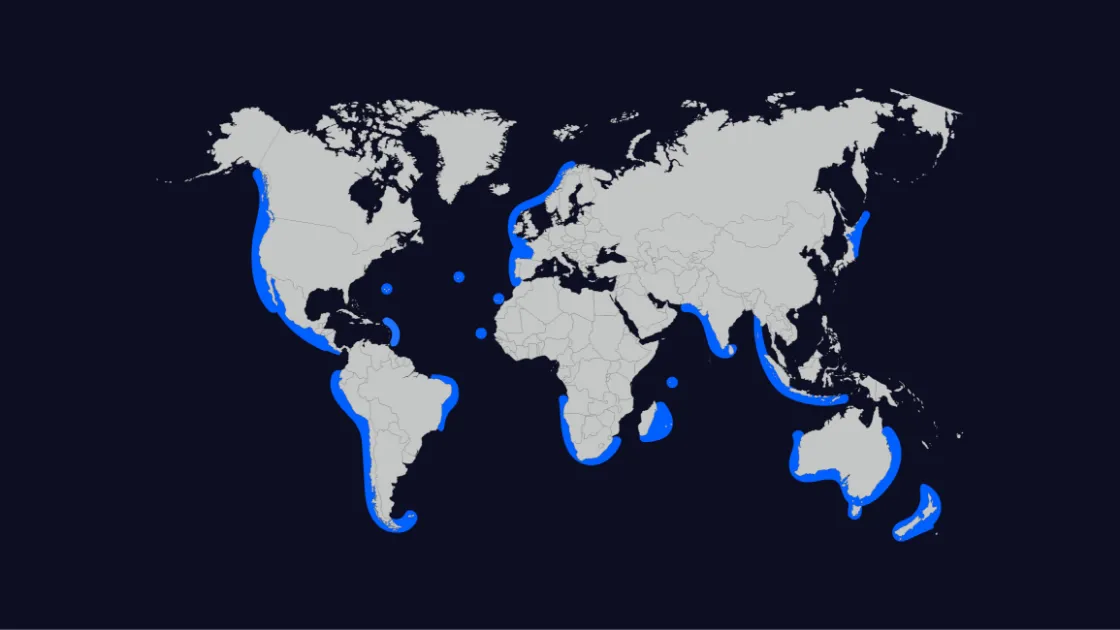
As with all new technology the early generations are relatively expensive, while cycles of learning combined with economies of scale from increasing volumes can quickly drive down cost. Several studies performed by independent third parties including McKinsey & Co estimate that the Corpower Ocean type of wave energy technology can be competitive with wind and solar already after 600MW deployed (cumulative, global basis), thanks to the value of the power profile. To get the first 600MW built, a certain level of public support is required to make early wave farm projects financially viable for customers in the utility and green hydrogen markets. We see that early farms can reach financial close in the market if there is either CAPEX support of around 4-5MEUR/MW (up to 50MW deployed with any given technology) or more preferred by a Feed-in-Tariff/CfD or similar fixed revenue scheme providing >300 EUR/MWh in revenue support (up to 50MW deployed with any given technology), With growing deployed capacity the support can gradually be tapered off as technology is believed to become commercially competitive after 600MW deployed.
Such financial support unlocks private investments into the first 600MW farms with a total CAPEX investment of approximately 2.2 bEUR, that benefits the local economies of coastal regions and the creation of a new clean industry sector. It is the regions that provide conditions for scaling up ocean energy deployment that will benefit from having the new industry and long-term sustainable jobs created.
Permitting.
We encourage policy makers to put in place efficient permitting processes that can take a maximum of 12 months for small projects with <100MW capacity. We also encourage countries to put in place pre-consented areas for early-stage wave farms, that can be replicated in multiple locations with increasing scale as the evidence of low environmental impact of wave energy is gradually built by early projects.

